Cultural Heritage and Artisanal Craftsmanship
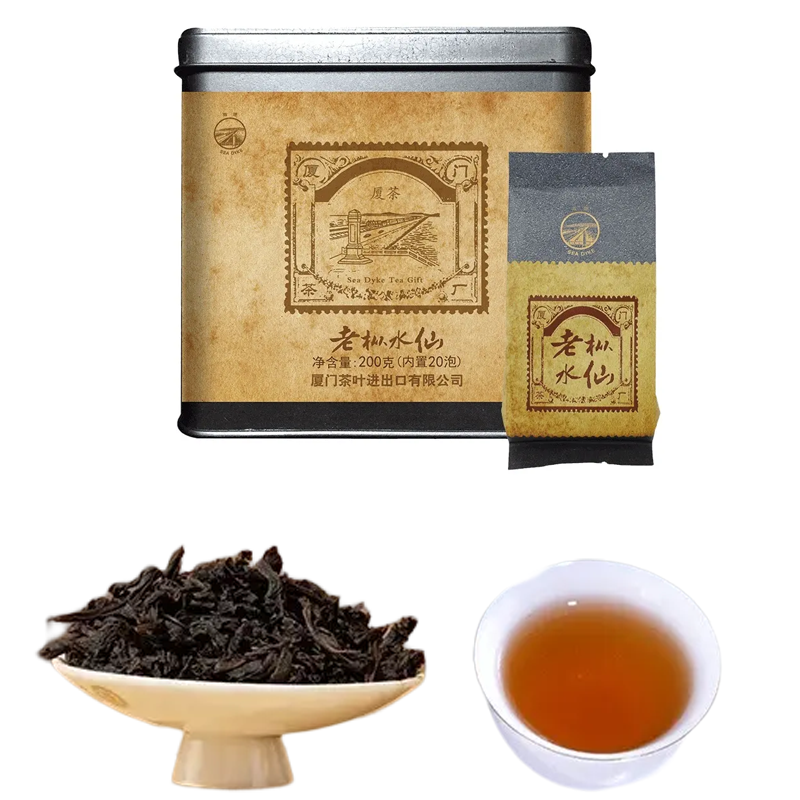
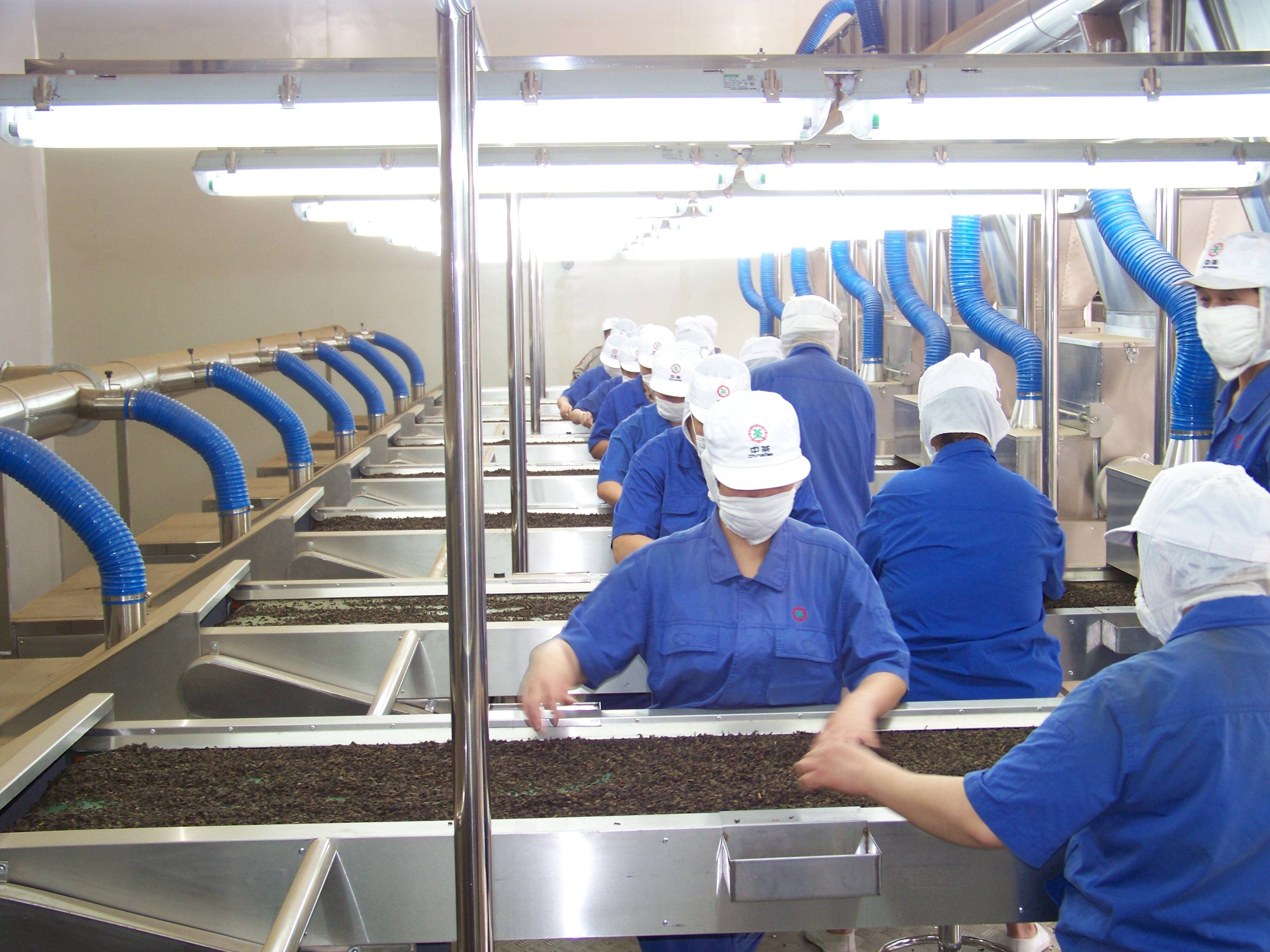
Choosing to buy oolong tea means participating in a rich cultural tradition that spans centuries and represents some of the finest examples of artisanal tea craftsmanship found anywhere in the world. The production of authentic oolong tea requires master-level skills passed down through generations, with tea makers dedicating their entire lives to perfecting the delicate balance of timing, technique, and intuition necessary to create exceptional leaves. This artisanal approach ensures that when you buy oolong, you receive a product that embodies cultural heritage, traditional knowledge, and uncompromising quality standards that mass-produced teas simply cannot match. The geographical specificity of oolong production adds another layer of cultural significance, as the finest varieties come from specific regions like Taiwan's high mountains, Fujian's Anxi county, or Guangdong's Phoenix Mountains, each area contributing unique terroir characteristics that reflect local climate, soil, and elevation conditions. The traditional processing methods used in oolong production involve hand-picking leaves at optimal maturity, careful withering under controlled conditions, precise rolling techniques that shape the leaves and initiate oxidation, and expert firing that stops the oxidation process at exactly the right moment. These time-honored techniques cannot be rushed or fully automated, meaning that authentic oolong production remains a labor-intensive craft that requires significant human expertise and attention to detail. When you buy oolong from reputable sources, you support traditional farming communities and help preserve ancient agricultural practices that might otherwise disappear in favor of more commercialized production methods. The seasonal nature of oolong harvesting adds to its cultural significance, with spring and winter harvests often considered superior due to slower leaf growth and concentrated flavors that develop under specific weather conditions. Tea ceremonies centered around oolong consumption represent important social and spiritual practices in Chinese and Taiwanese cultures, emphasizing mindfulness, respect for nature, and the importance of taking time for contemplation and connection with others. The investment in proper oolong tea equipment, including appropriate teapots, cups, and serving accessories, becomes part of the cultural experience and enhances appreciation for the tea's qualities while connecting drinkers to centuries of tea tradition and philosophy.


 EN
EN
 AR
AR NL
NL FR
FR IT
IT JA
JA KO
KO PT
PT RU
RU ID
ID MS
MS