Premium Quality Control and Artisanal Craftsmanship
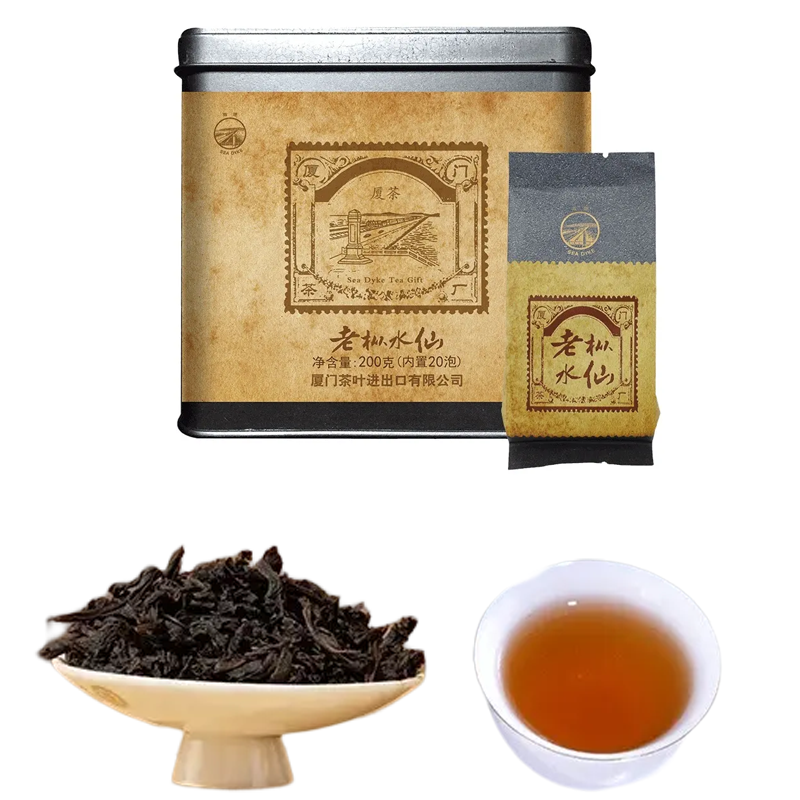
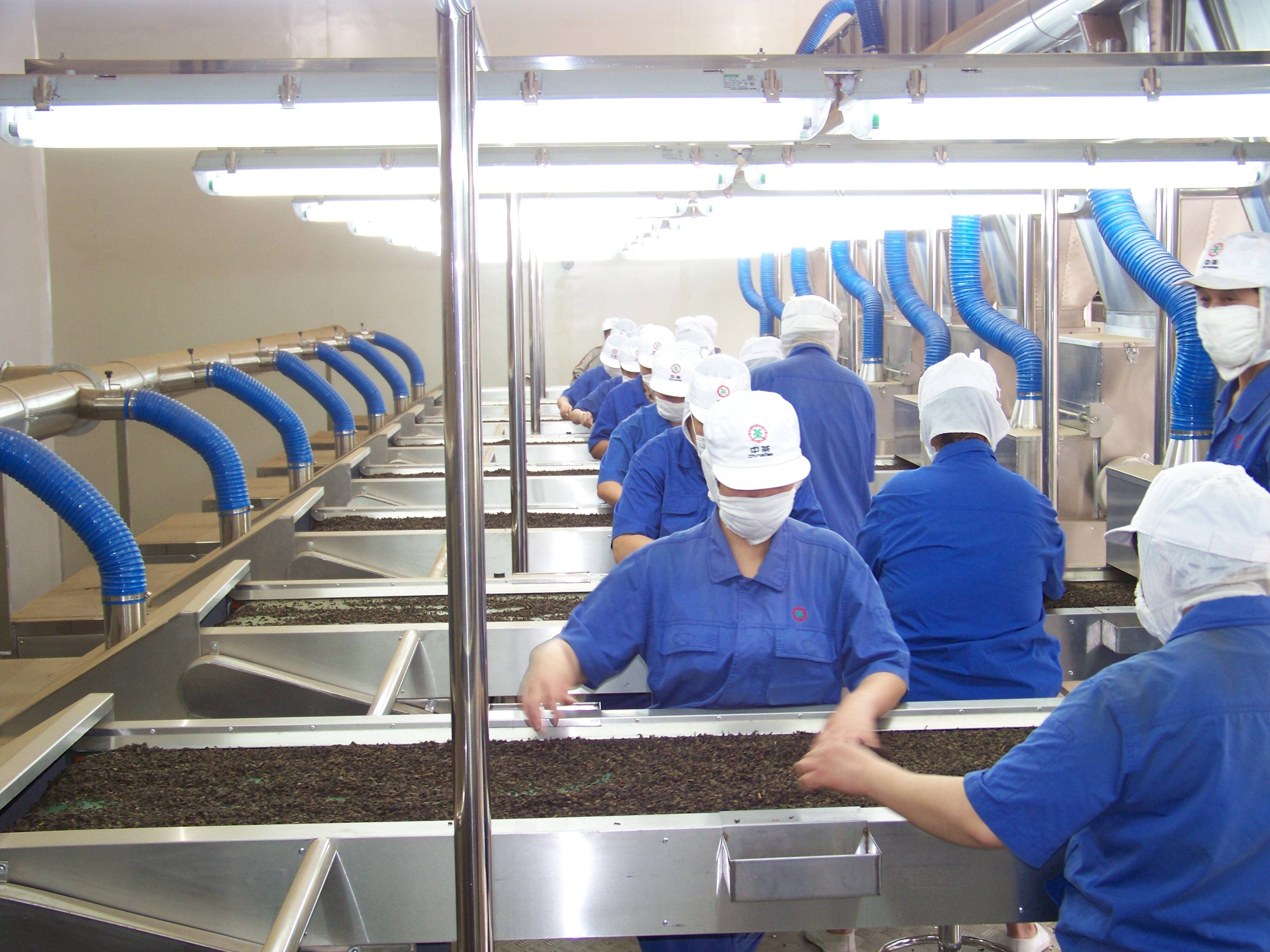
The premium quality control and artisanal craftsmanship behind loose oolong tea production represent centuries of refined techniques and expertise, resulting in a product that exemplifies the highest standards of tea manufacturing excellence. Unlike mass-produced tea products, loose oolong tea undergoes meticulous hand-selection processes where experienced tea masters evaluate each leaf for optimal size, color, and maturity before inclusion in the final product. This careful selection ensures consistent quality and eliminates inferior leaves that could compromise the overall tea experience. The artisanal production process involves traditional methods passed down through generations, where skilled craftspeople monitor every stage of processing from withering through final firing. The withering process requires precise environmental control, as tea leaves must be exposed to specific temperature and humidity conditions that vary based on seasonal factors and leaf characteristics. The oxidation control represents the most critical aspect of oolong tea craftsmanship, where master tea makers use sensory evaluation to determine the optimal moment to halt fermentation, ensuring the perfect balance between green and black tea characteristics. This expertise cannot be replicated through automated processes, making artisanal loose oolong tea a truly unique product that reflects human skill and knowledge. The quality control measures extend to storage and packaging, where loose oolong tea is protected from light, moisture, and air exposure to preserve its delicate compounds and aromatic properties. Premium producers implement rigorous testing protocols to verify purity, potency, and safety standards, ensuring consumers receive products that meet the highest quality expectations. The traceability aspects of quality loose oolong tea allow consumers to understand the tea's origin, processing methods, and harvest details, providing transparency that builds trust and appreciation for the product. The seasonal variation management demonstrates the sophistication of oolong tea production, as skilled producers adapt their techniques to accommodate natural variations in leaf quality and environmental conditions throughout the growing season. The aging potential of properly produced loose oolong tea adds another dimension to its value proposition, as certain varieties improve with proper storage over time, developing more complex flavors and increased therapeutic properties. This aging characteristic transforms loose oolong tea from a simple beverage into a collectible item that appreciates in both quality and value, appealing to serious tea enthusiasts and investors alike.


 EN
EN
 AR
AR NL
NL FR
FR IT
IT JA
JA KO
KO PT
PT RU
RU ID
ID MS
MS