





 EN
EN
 AR
AR NL
NL FR
FR IT
IT JA
JA KO
KO PT
PT RU
RU ID
ID MS
MS
Looking for a relaxing afternoon? Discover the charmful white tea to sip and unwind with
Looking for a relaxing afternoon? The key might lie in a cup of exquisite white tea. This delicate beverage, cherished by tea enthusiasts worldwide, offers not just a moment of calm but also a elegant drinking experience.
The Characteristics of White Tea: An Analysis of Origins (Fuding/Zhenghe) and Craftsmanship (Withering)
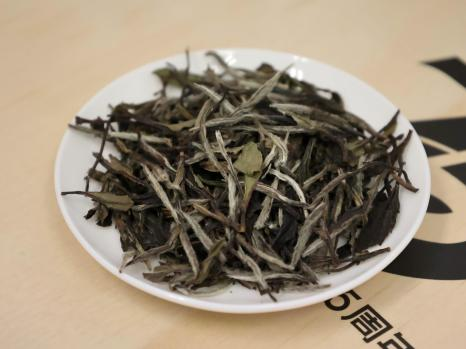
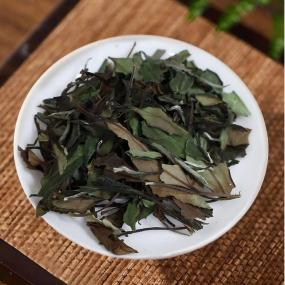
White tea, renowned for its subtle flavor profile, primarily hails from multiple counties located in the northern area of Fujian, China. Among them, let’s take Fuding origin and Zhenghe origin as an example for comparison. Fuding, with its humid climate, warm temperature and fertile soil, produces white tea with a distinct brisk and fresh note. Zhenghe, on the other hand, imparts a richer, mellower character to its white tea, thanks to its mountainous terrain and relatively high temperature difference between day and night, which is helpful to the accumulation of organic compounds. The magic of white tea lies in its processing step—withering. Unlike other teas that undergo extensive processing, white tea leaves are simply and delicately withered under the sun, indoor or in the tank matched with heat blower. This gentle approach preserves the tea’s natural nutrients and deliver the distinct flavor profile.
Tea Tasting: Detailed Control from Teaware to Brewing Rhythm
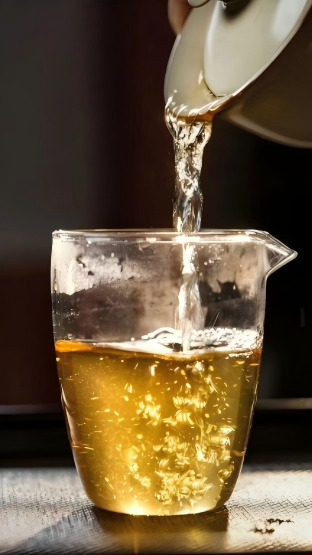
Mastering the art of white tea brewing can significantly enhance your relaxation experience. Start by selecting the suitable teaware to infuse. Gaiwan is widely recommended as the optimal pairing to savor white tea, as it has the property to help release the distinct aroma and flavor to the full extent. Glass is also deemed a good choice, the change of tea soup color and the unfurling course of tea leaves can be easily and evidently observed. Some people may say Yixing clay teapot is fit for aged white tea. In terms of water quality, fresh spring water or distilled water is recommended to reduce the interaction with the natural substances contained. A general rule is to use 3-5 grams of tea for around 100ml of water, but you can adjust ratio based on your personal taste preference and white tea variety. When it comes to water temperature, 85 -100°C is fine as white tea is not effeminacy. Furthermore, boiling water can fully open the tea leave cell and release the inner substances within the cells. The appropriate water temperature can bring out a rich and smooth tea soup with multiple layers of flavor. For the first few infusions of new crop white tea, steep for 5 - 10seconds. As you enjoy subsequent infusions, gradually increase the steeping time by 5 - 10seconds each time. The lasting time could be prolonged by 5seconds for aged white teas to assist in awaking and stimulate tea leaves. This way, you can fully unlock the complex flavors hidden within the leaves. While, the duration of the steeping still depends as per your personal preference.
Whether you’re looking to unwind after a long day or simply enjoy a peaceful afternoon, a cup of white tea might be an optional companion.