





 EN
EN
 AR
AR NL
NL FR
FR IT
IT JA
JA KO
KO PT
PT RU
RU ID
ID MS
MS
Planning a tea-tasting party? Here's how to choose the right oolong tea for an exquisite time
When planning a tea-tasting party, the right oolong tea can transform the event from ordinary to extraordinary. To make a fine choice, it’s crucial to understand oolong tea classification and master tasting skills.
Oolong Tea Classification: Fermentation Levels and Flavor Profiles
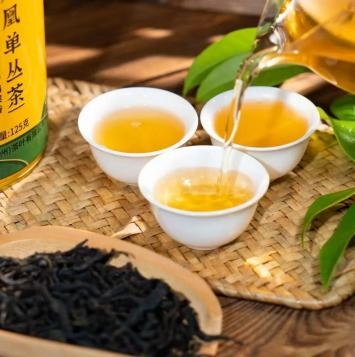
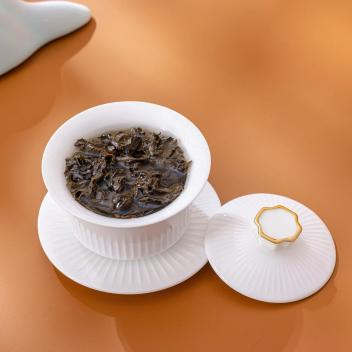
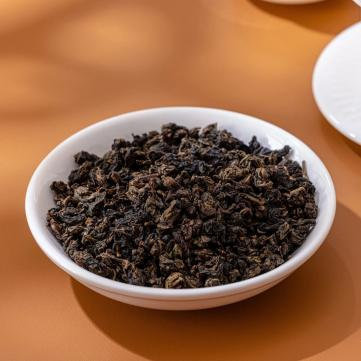
Oolong tea’s diverse flavors will partly stem from its varying fermentation levels. Lightly fermented oolongs, often processed with minimal oxidation, captivate tea enthusiasts with their fresh, floral, and fruity aroma. The major styles of these oolong teas typically lie between green tea and traditional oolong tea, complemented by clear, green and golden yellow tea soup, making them a top pick for those who favor mild, refreshing tastes or beginner tea lovers. Moderately fermented varieties, on the other hand, present a richer and mellower mouthfeel. The major representatives include Wuyi rock tea, traditional craft Tieguanyin and Fenghuang Dancong, which could offer complex flavor and aroma profile. The tea liquor tends to have an orange-yellow or orange-red hue, with a rich floral and fruity aroma. The taste is mellow, sweet, and refreshing, while the brewed tea leaves are thick and plump. Some might be very familiar with its characteristic "green leaves with red edges". Highly fermented oolongs, boasting a sweet, thick taste and honey-like fragrance,” undergo extended oxidation. Normally, they possess dark-brown dry tea appearance with thick and tight strips. The tea soup color is amber or dark-red. Nowadays, there are some hot topics on oolong teas long term preservation for collecting purpose.
Tea Tasting: A Systematic Approach to Identify the Right Oolong Tea
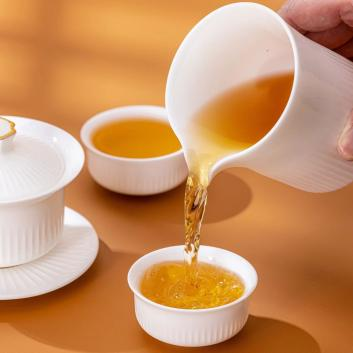
To select the fine oolong tea for your party, employ a systematic tasting method. Begin by observing the dry tea appearance from the strips, the color, entireness, eveness of the tea leaves and the impurity. It is recommended to use Yixing clay teapot to infuse your preferred oolong tea, as it is easier to retain the distinct rhythm of oolong tea, and maintain high water temperature for longer. Then put the dry tea into the teaware pre-warmed, and smell the aroma. Pour in freshly boiled water, and wait for the tea leaves to unfold and release the unique flavor. Next, Pour out and gently swirl the cup to inhale the scent. Take a deep breathe to feel the different scent nuances, whether it’s floral, fruity, honey-like, or roasted. With a small sip, allow the tea to coat your entire mouth, and focus on how the taste evolves in your mouth, from initial flavors, mid-palate, to aftertaste. Moreover, you may easily find the difference between tea soup color displayed by various oolong tea varieties. By following these steps, you can choose an oolong that aligns well with your party’s ambiance and guests’preferences.