Versatile Brewing Methods Accommodate All Skill Levels and Preferences
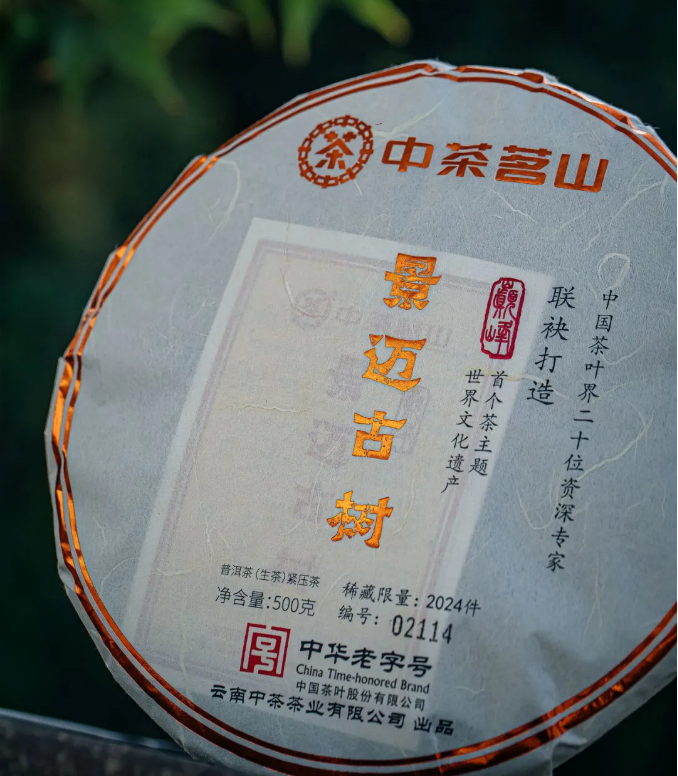
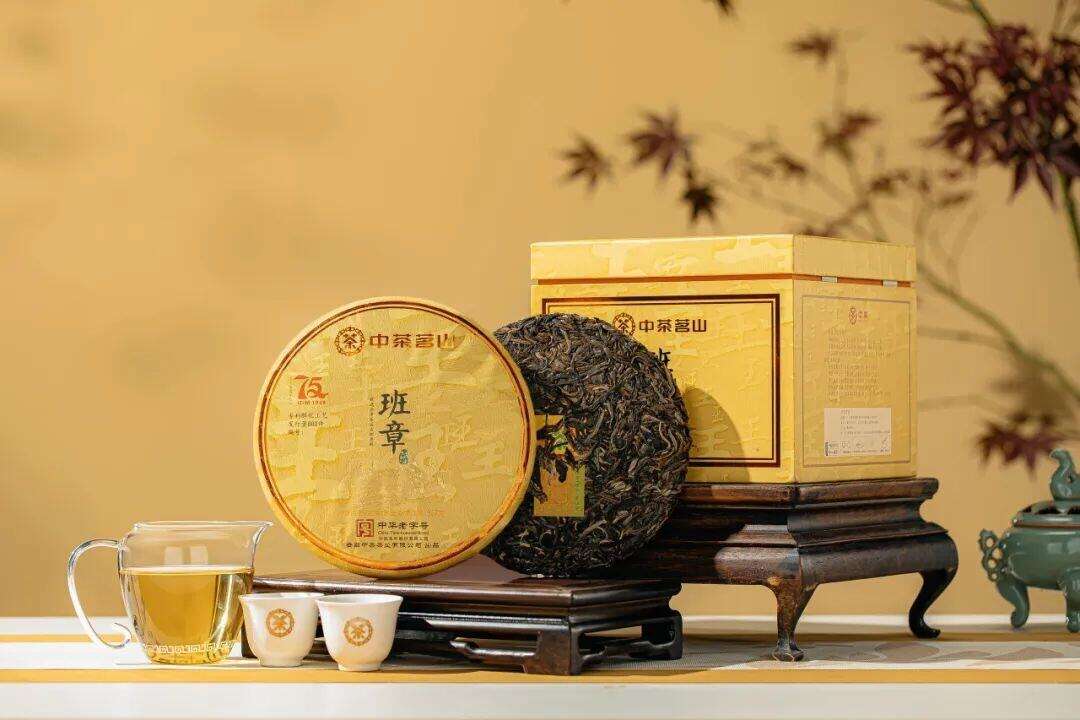
The exceptional brewing versatility of pu erh leaf makes it accessible to beginners while offering unlimited exploration opportunities for experienced tea enthusiasts, accommodating every lifestyle and preference through multiple preparation methods. Traditional gongfu brewing allows precise control over pu erh leaf extraction, using small teapots or gaiwans with short, multiple infusions that reveal evolving flavor profiles throughout the session. This method typically uses 5-7 grams of pu erh leaf per 100ml of water, with initial rinses followed by progressively longer steepings from 20 seconds to several minutes. Western-style brewing simplifies pu erh leaf preparation for busy lifestyles, using standard teapots or cups with longer steeping times, making it convenient for office or home use without specialized equipment. The forgiving nature of quality pu erh leaf means that slight variations in water temperature, steeping time, or leaf quantity rarely result in undrinkable results, unlike more delicate tea varieties that require precise technique. Cold brewing presents another accessible option, where pu erh leaf steeps in room temperature water for 6-12 hours, creating smooth, refreshing beverages perfect for hot weather or those sensitive to tannins. Grandpa style brewing, popular in China, involves adding pu erh leaf directly to large cups or thermoses, allowing continuous sipping while the leaves remain in contact with water throughout the day. The multiple infusion capability of quality pu erh leaf provides exceptional value, as the same leaves can produce 8-15 satisfying cups, with each infusion revealing different aspects of the tea's character. Water quality considerations for pu erh leaf are less stringent than other premium teas, as the robust nature of fermented leaves can work well with various mineral profiles, though soft, filtered water produces optimal results. Temperature flexibility ranges from 85-100 degrees Celsius, allowing brewers to adjust heat levels based on desired strength and specific pu erh leaf characteristics. The concentrated nature of compressed pu erh leaf requires careful separation techniques, but loose forms eliminate this step while maintaining brewing versatility. Serving suggestions extend beyond traditional hot tea, with pu erh leaf adapting well to milk tea preparations, iced variations, and even culinary applications where its earthy notes complement savory dishes and desserts.


 EN
EN
 AR
AR NL
NL FR
FR IT
IT JA
JA KO
KO PT
PT RU
RU ID
ID MS
MS