Comprehensive Variety and Cultural Education Value
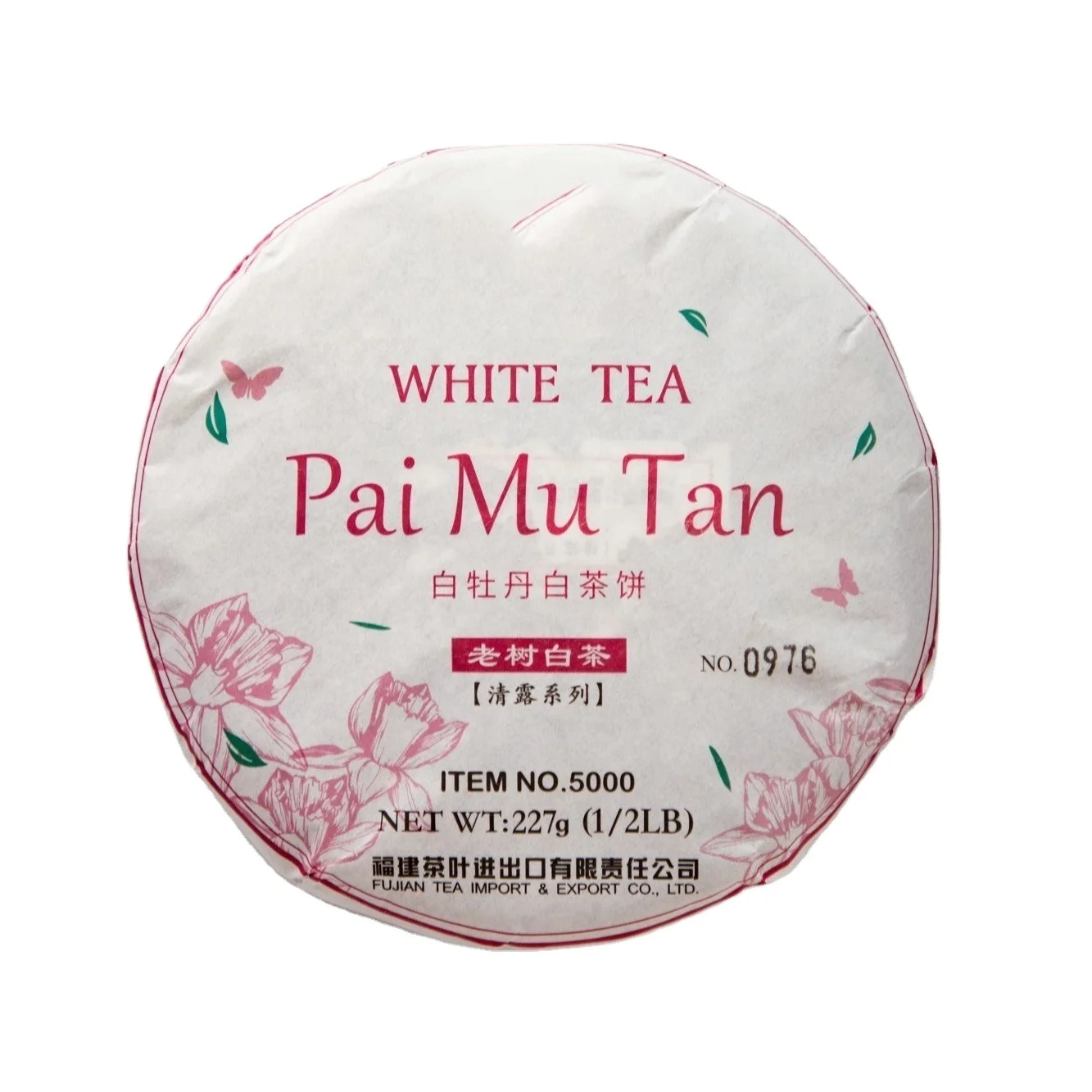
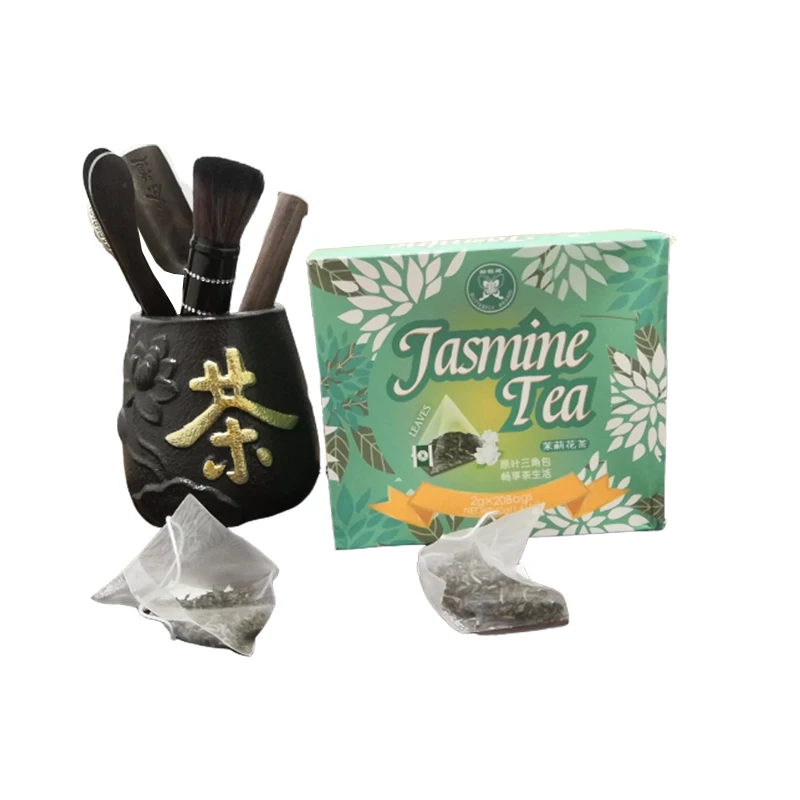
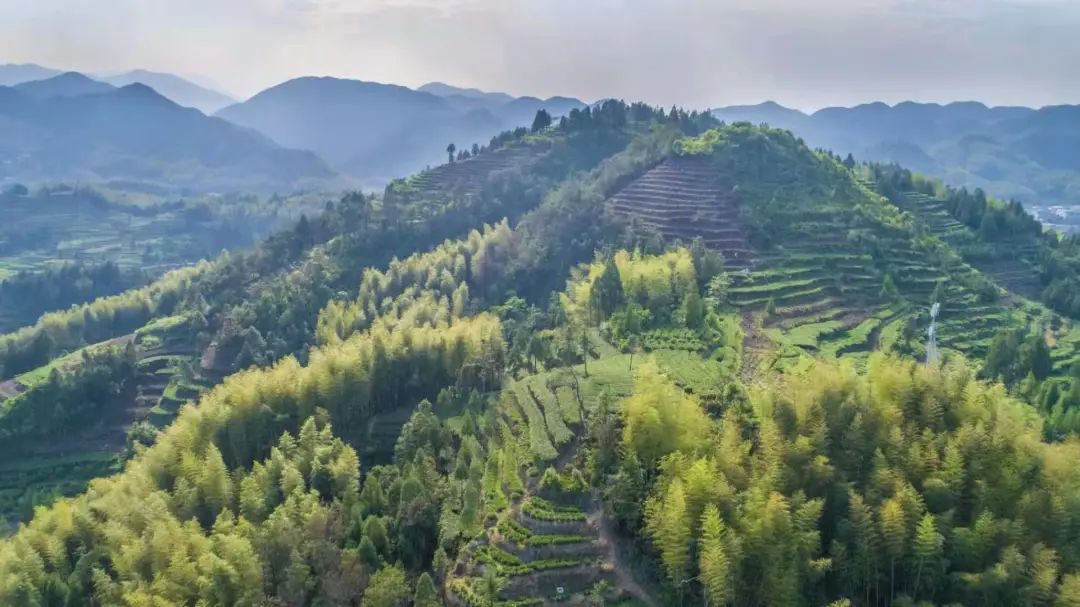
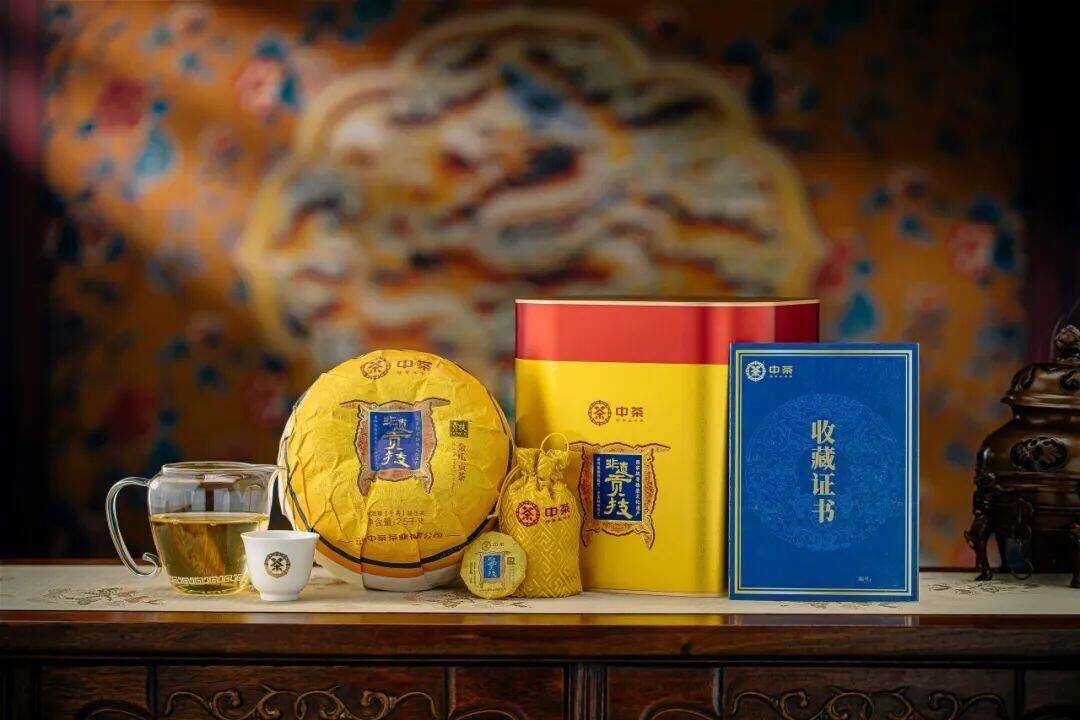
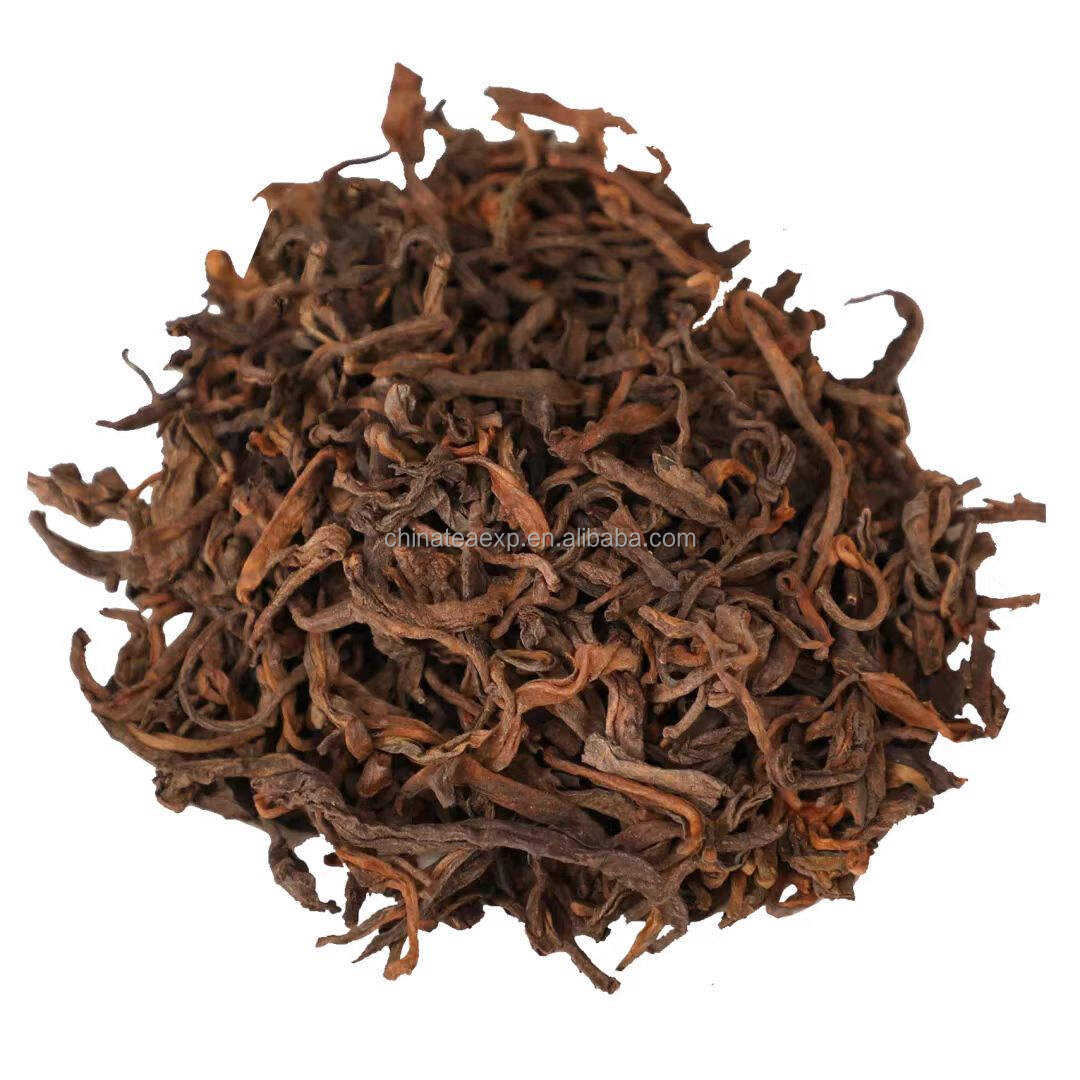
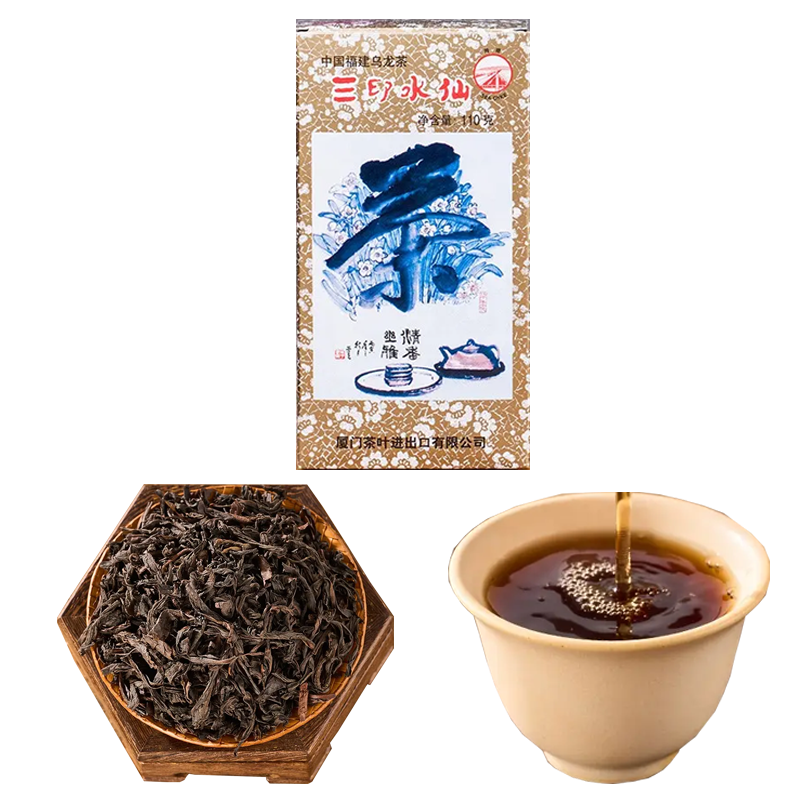
A distinguishing characteristic of exceptional popular tea gift collections lies in their carefully curated variety that introduces recipients to diverse tea cultures, processing methods, and flavor profiles from around the world while providing comprehensive educational value that extends the gift's impact beyond immediate consumption. This thoughtful selection process typically includes representatives from major tea-producing regions such as China, India, Sri Lanka, Japan, and other notable growing areas, each contributing unique characteristics shaped by terroir, climate conditions, and traditional processing techniques passed down through generations. Black tea varieties might include robust Assam selections known for malty flavors, delicate Darjeeling options prized for muscatel notes, or Ceylon teas celebrated for bright, citrusy characteristics that showcase how geographic diversity influences taste development. Green tea selections often feature Japanese sencha varieties with fresh, grassy notes, Chinese longjing teas known for subtle sweetness, or jasmine-scented options that demonstrate traditional flavoring techniques used throughout Asian tea culture. Oolong varieties bridge the gap between green and black teas, offering complex flavor developments that demonstrate partial oxidation processes and showcase the artistry involved in traditional tea processing methods. White tea inclusions provide delicate, subtle experiences that highlight minimal processing approaches and demonstrate how restraint in handling can preserve natural tea leaf characteristics. Herbal and caffeine-free options expand accessibility for recipients with dietary restrictions while introducing concepts of tisane preparation and botanical blending traditions from various cultures. Educational materials accompanying diverse selections explain brewing temperature requirements, steeping time recommendations, and cultural serving traditions that help recipients appreciate proper preparation methods for different tea types. Origin information provides geographic context that helps recipients understand how soil conditions, altitude, rainfall patterns, and harvesting seasons influence flavor development in different tea varieties. Processing method explanations introduce concepts such as withering, rolling, oxidation, and firing that shape final tea characteristics and help recipients appreciate the craftsmanship involved in quality tea production. Tasting note descriptions use accessible language to help recipients identify flavor compounds, aromatic elements, and textural characteristics that distinguish different tea varieties and develop appreciation for subtle differences between selections within each category.


 EN
EN
 AR
AR NL
NL FR
FR IT
IT JA
JA KO
KO PT
PT RU
RU ID
ID MS
MS