Premium Compostable Tea Bags - Eco-Friendly Biodegradable Tea Packaging Solutions

All Categories

compostable tea bags

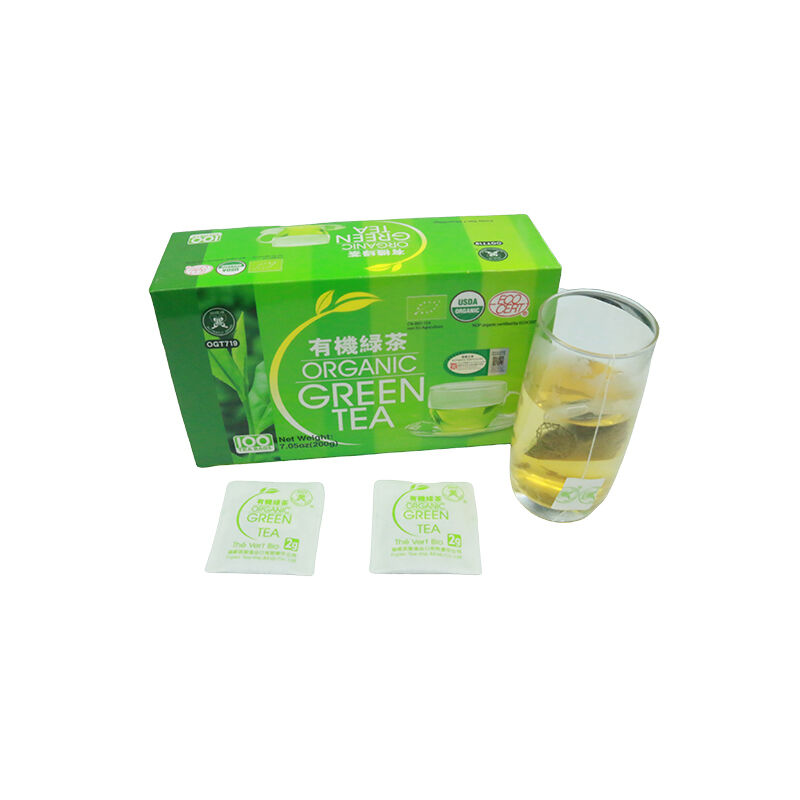
Compostable tea bags represent a revolutionary advancement in sustainable beverage packaging, offering tea enthusiasts an environmentally responsible alternative to conventional tea storage solutions. These innovative products combine premium functionality with ecological consciousness, utilizing biodegradable materials that naturally decompose without leaving harmful residues in soil or water systems. The primary function of compostable tea bags involves containing loose tea leaves while allowing optimal water flow for proper steeping and flavor extraction. Unlike traditional plastic or synthetic alternatives, these bags employ plant-based materials such as cornstarch, sugarcane fiber, or wood pulp that completely break down within composting environments. The technological features of compostable tea bags include specialized mesh construction that maintains structural integrity during brewing while ensuring complete biodegradability within 90 to 180 days under proper composting conditions. Advanced manufacturing processes incorporate heat-sealed edges without synthetic adhesives, utilizing natural binding agents that dissolve harmlessly. The porous design facilitates excellent water circulation, enabling full flavor development while preventing leaf particles from escaping into beverages. Applications span residential kitchens, commercial food service establishments, hospitality venues, and specialty tea retailers seeking sustainable packaging solutions. Restaurants and cafes increasingly adopt compostable tea bags to align with environmental initiatives and satisfy eco-conscious customers. Home brewing enthusiasts appreciate the convenience of pre-portioned servings combined with guilt-free disposal methods. The bags accommodate various tea types including black, green, herbal, and specialty blends while maintaining freshness through moisture-resistant properties. Educational institutions and corporate offices integrate compostable tea bags into sustainability programs, demonstrating environmental responsibility while providing quality beverage options. The manufacturing process employs renewable resources and energy-efficient production methods, further reducing environmental impact throughout the product lifecycle.

New Products

The advantages of compostable tea bags extend far beyond simple environmental benefits, delivering practical value that enhances daily tea consumption experiences while supporting planetary health. These innovative products eliminate plastic waste concerns that plague traditional tea packaging, allowing consumers to enjoy their favorite beverages without contributing to landfill accumulation or marine pollution. The decomposition process occurs naturally within home composting systems, transforming used bags into nutrient-rich soil amendments that benefit garden plants and reduce household waste streams. Cost-effectiveness emerges through reduced waste management expenses, as compostable materials eliminate special disposal requirements associated with synthetic alternatives. The superior brewing performance of compostable tea bags results from optimized pore sizes that facilitate enhanced water circulation and complete flavor extraction, delivering richer taste profiles compared to conventional options. Convenience factors include easy disposal methods that require no separation or special handling, enabling users to simply add used bags directly to compost bins or organic waste collections. Health advantages stem from the absence of harmful chemicals, plastics, or synthetic materials that might leach into hot beverages, ensuring pure flavor delivery without contamination risks. The durability of modern compostable tea bags withstands multiple steeping cycles without tearing or compromising structural integrity, maximizing value from each serving. Storage benefits include moisture resistance and freshness preservation that maintain tea quality during extended shelf life periods. Commercial establishments benefit from positive brand association with sustainability initiatives, attracting environmentally conscious customers while demonstrating corporate responsibility. The versatility of compostable tea bags accommodates diverse tea varieties, from delicate white teas to robust black blends, without affecting brewing characteristics. Manufacturing transparency allows consumers to understand material origins and production methods, building trust through clear ingredient labeling. Economic advantages extend to agricultural sectors where composted materials improve soil health, creating circular economy benefits that support sustainable farming practices. The absence of microplastic concerns addresses growing health awareness about synthetic material consumption, providing peace of mind for health-conscious consumers who prioritize natural products in their daily routines.

Practical Tips

Fuding White Tea - Delicately Fragrant and Refreshing

03

Jul

Fuding White Tea - Delicately Fragrant and Refreshing

测试
View More
CESHI

13

Jan

CESHI

CESHI12312312
View More

Get a Free Quote

Our representative will contact you soon.
Email
Name
Company Name
Message
0/1000

compostable tea bags

Revolutionary Biodegradable Material Technology

Revolutionary Biodegradable Material Technology

The cornerstone of superior compostable tea bags lies in their advanced biodegradable material technology, which represents a significant breakthrough in sustainable packaging innovation. These cutting-edge products utilize sophisticated plant-based polymers derived from renewable resources such as cornstarch, sugarcane bagasse, and sustainably harvested wood fibers. The manufacturing process employs proprietary techniques that transform these natural materials into durable yet fully compostable structures capable of withstanding hot water temperatures exceeding 200 degrees Fahrenheit without compromising integrity. Unlike conventional plastic alternatives that persist in environments for hundreds of years, these revolutionary materials begin decomposition within weeks when exposed to proper composting conditions. The molecular structure of these biodegradable compounds breaks down into harmless organic components including carbon dioxide, water, and biomass that enrich soil composition. Advanced engineering ensures optimal porosity levels that facilitate superior water flow during steeping while maintaining sufficient strength to contain fine tea particles effectively. The heat-sealing technology employed in manufacturing eliminates synthetic adhesives, instead utilizing natural binding agents that dissolve completely during decomposition processes. Quality control measures guarantee consistent performance across temperature variations and steeping durations, ensuring reliable brewing results regardless of tea variety or preparation method. The materials demonstrate exceptional resistance to moisture and oxygen penetration, preserving tea freshness during storage while maintaining complete biodegradability characteristics. Environmental testing confirms that decomposition occurs without releasing toxic substances or microplastics into soil or water systems, supporting healthy ecosystem maintenance. The scalable production methods enable cost-effective manufacturing while reducing carbon footprints through efficient resource utilization and renewable energy integration. This technological advancement addresses critical environmental challenges while delivering enhanced functionality that exceeds traditional packaging performance standards, positioning compostable tea bags as the definitive solution for conscious consumers seeking premium quality without environmental compromise.
Enhanced Brewing Performance and Flavor Optimization

Enhanced Brewing Performance and Flavor Optimization

Compostable tea bags deliver exceptional brewing performance through meticulously engineered design features that optimize flavor extraction and enhance overall tea drinking experiences. The sophisticated mesh construction utilizes precisely calibrated pore sizes that allow unrestricted water circulation while preventing leaf particles from escaping into beverages. This advanced filtration system ensures complete steeping efficiency, enabling hot water to penetrate tea leaves thoroughly and extract maximum flavor compounds, essential oils, and beneficial antioxidants. The three-dimensional bag shape provides ample space for tea leaf expansion during brewing, unlike flat conventional options that restrict natural swelling processes. This generous internal volume allows leaves to unfurl completely, facilitating optimal contact with water and resulting in fuller flavor development across all tea varieties. The heat-resistant properties of compostable materials maintain structural stability throughout extended steeping periods, preventing tears or weakening that could compromise brewing quality. Advanced engineering incorporates strategic reinforcement points at stress areas while maintaining overall biodegradability, ensuring reliable performance during vigorous stirring or multiple infusions. The natural materials used in construction contribute no artificial flavors or chemical odors that might interfere with delicate tea profiles, preserving authentic taste characteristics. Temperature tolerance exceeds industry standards, accommodating various brewing preferences from gentle white tea preparation to robust black tea requirements. The permeable design facilitates rapid water penetration and efficient extraction cycles, reducing steeping times while achieving desired strength levels. Quality assurance testing demonstrates consistent performance across diverse tea types including loose leaf blends, herbal mixtures, and specialty varieties. The biodegradable composition eliminates concerns about synthetic material interactions with hot liquids, ensuring pure flavor delivery without contamination risks. Professional taste testing confirms superior flavor clarity and depth compared to conventional alternatives, validating the enhanced brewing capabilities of compostable tea bags. The optimized design supports multiple steeping cycles for premium teas, maximizing value while maintaining structural integrity throughout repeated use.
Complete Environmental Sustainability and Waste Reduction

Complete Environmental Sustainability and Waste Reduction

The environmental sustainability features of compostable tea bags establish them as the premier choice for eco-conscious consumers committed to reducing their environmental footprint while maintaining quality beverage experiences. These innovative products address critical waste management challenges by completely eliminating plastic components that contribute to persistent environmental pollution and marine debris accumulation. The comprehensive biodegradation process occurs within standard home composting systems, transforming used tea bags into valuable organic matter that enriches soil composition and supports plant growth. Scientific testing confirms complete decomposition within 90 to 180 days under proper composting conditions, leaving no harmful residues or microplastic particles that could contaminate soil or water sources. The manufacturing lifecycle incorporates renewable resource utilization, sustainable production methods, and minimal carbon footprint generation, supporting circular economy principles from raw material sourcing through end-of-life disposal. Agricultural benefits emerge as composted materials contribute essential nutrients to growing systems, creating positive environmental impacts that extend beyond waste reduction. The absence of synthetic polymers eliminates concerns about chemical leaching into compost systems or surrounding environments, ensuring safe integration with organic gardening practices. Life cycle assessments demonstrate significant reductions in greenhouse gas emissions compared to conventional packaging alternatives, contributing to climate change mitigation efforts. The scalable composting compatibility accommodates various waste management systems including municipal organic collection programs, commercial composting facilities, and backyard composting operations. Water conservation benefits result from reduced processing requirements during decomposition compared to synthetic material recycling processes. The renewable material sources support sustainable forestry and agricultural practices that maintain ecosystem health and biodiversity. Carbon sequestration occurs naturally as decomposed materials integrate into soil systems, creating long-term environmental benefits beyond immediate waste reduction. Educational value emerges as consumers learn about sustainable practices through daily tea consumption habits, promoting broader environmental awareness and responsible consumption patterns. The measurable environmental impact reduction includes decreased landfill contributions, reduced plastic pollution, and enhanced soil health outcomes that demonstrate tangible benefits for planetary sustainability.