a tea bag
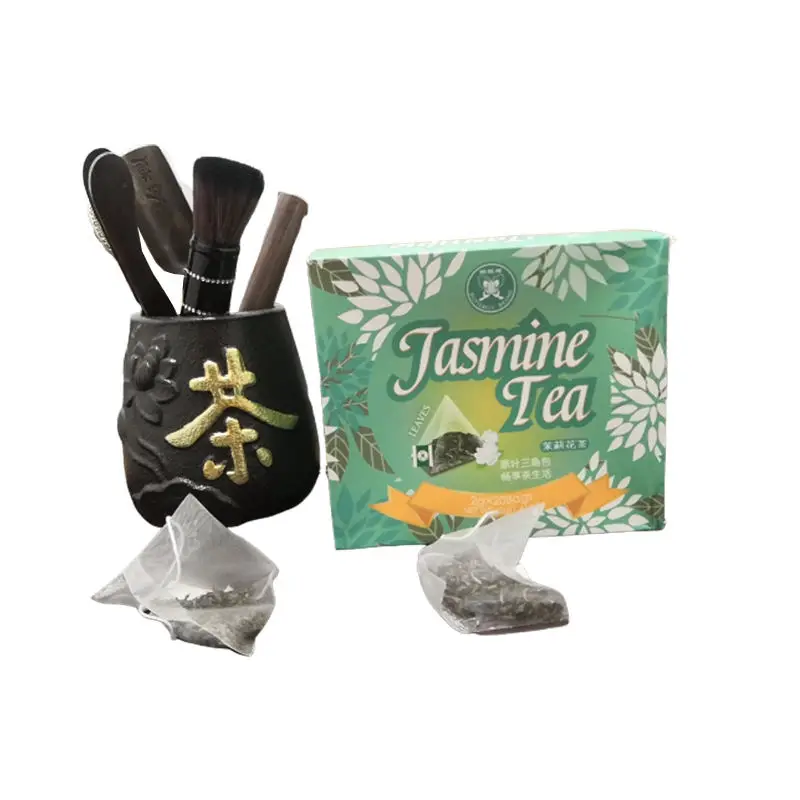
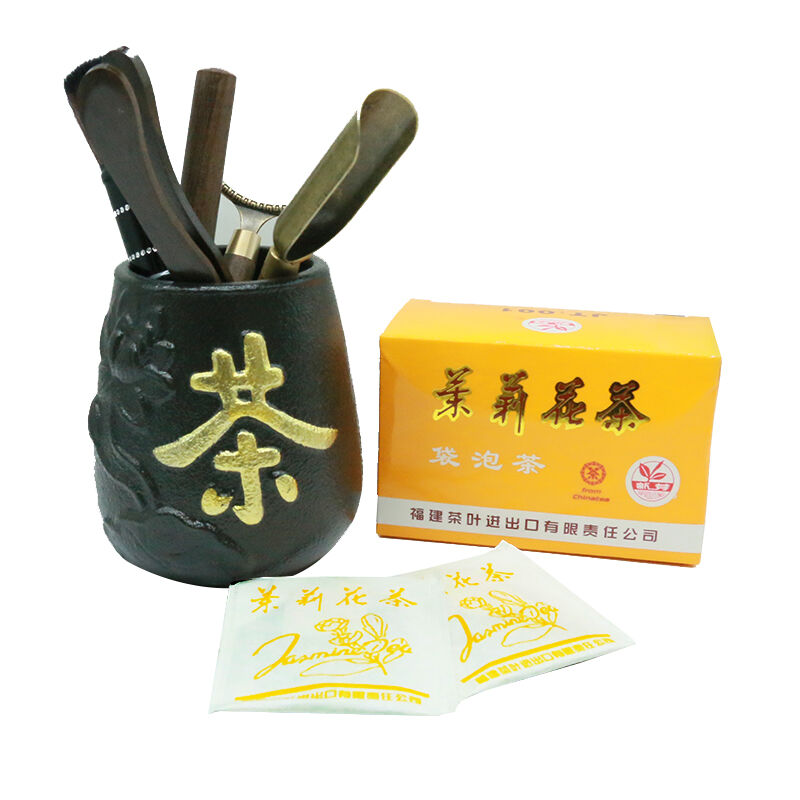
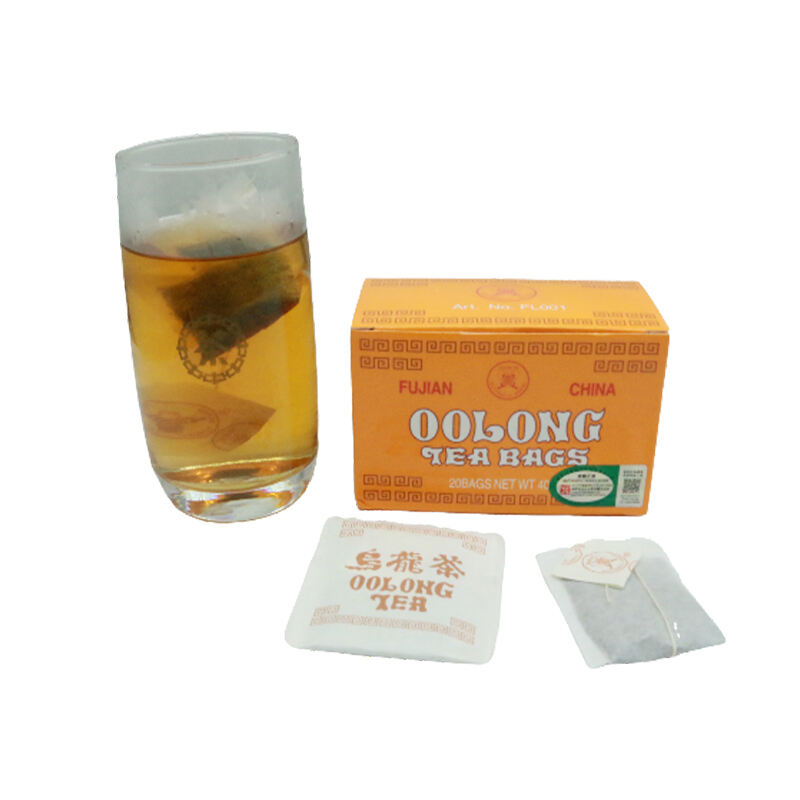
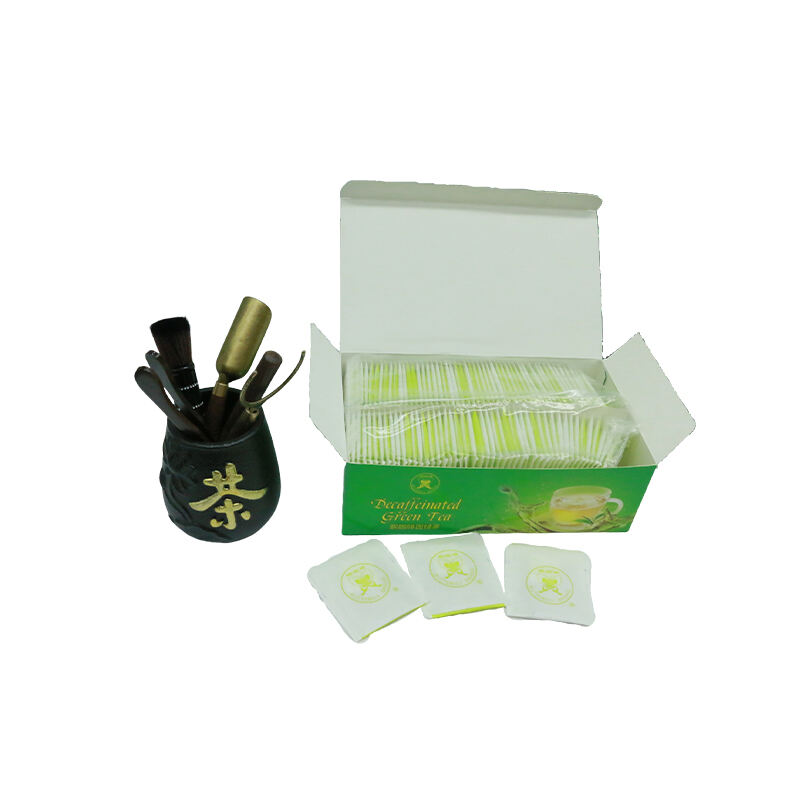
A tea bag represents one of the most revolutionary innovations in beverage preparation, transforming how millions of people worldwide enjoy their daily cup of tea. This ingenious invention consists of a small, porous pouch typically made from filter paper, silk, or food-grade plastic materials that contains pre-measured portions of tea leaves, herbs, or other steeping ingredients. The fundamental design allows hot water to flow freely through the bag while keeping the tea contents contained, eliminating the need for loose leaf strainers or elaborate brewing equipment. Modern tea bags incorporate advanced filtration technology that ensures optimal flavor extraction while preventing any particles from escaping into the beverage. The main functions of a tea bag include precise portion control, convenient steeping, easy disposal, and mess-free preparation. Technological features have evolved significantly since the first tea bag appeared in the early 1900s, now incorporating heat-sealed edges, pyramid shapes for better water circulation, and biodegradable materials that address environmental concerns. Contemporary manufacturers utilize ultrasonic sealing techniques and food-safe adhesives to ensure structural integrity during the brewing process. Applications extend far beyond traditional black tea, encompassing herbal blends, green tea varieties, medicinal teas, specialty flavored mixtures, and even cold-brew formulations. The versatility of a tea bag makes it suitable for home use, office environments, restaurants, hotels, and travel situations where convenience is paramount. Size variations accommodate different serving preferences, from single-cup portions to larger family-sized bags designed for multiple servings. The standardized format ensures consistent brewing strength and eliminates guesswork in tea preparation, making it accessible to both novice and experienced tea enthusiasts who appreciate the balance between convenience and quality.


 EN
EN
 AR
AR NL
NL FR
FR IT
IT JA
JA KO
KO PT
PT RU
RU ID
ID MS
MS