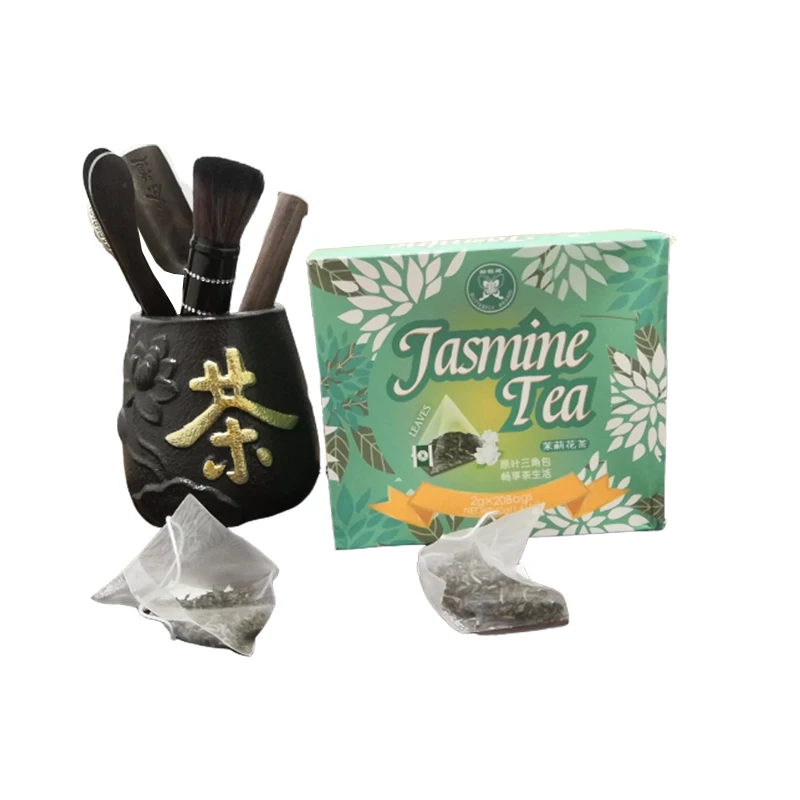
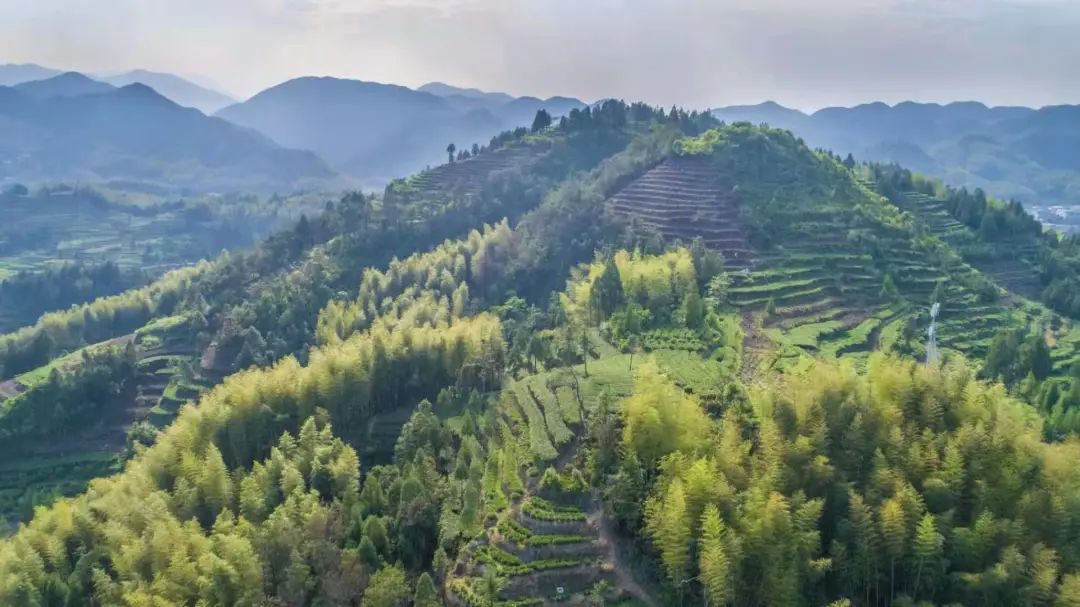
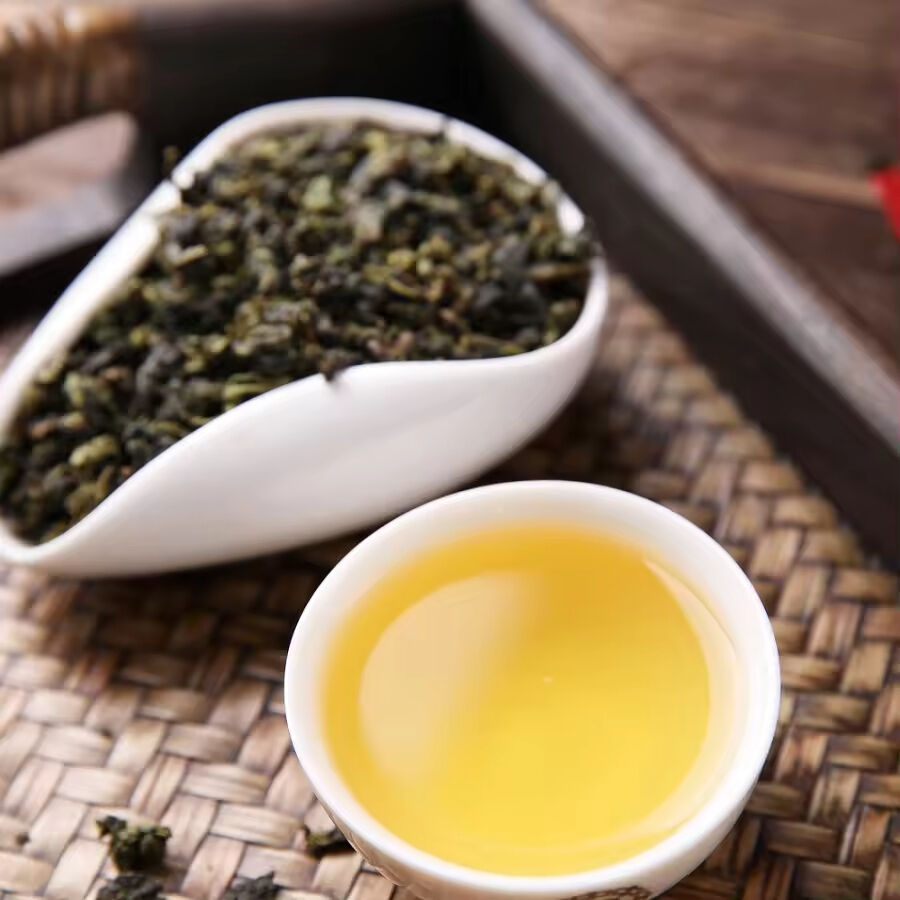
Investment Value Combined With Cultural Heritage Experience
Old Chinese tea represents a unique combination of investment opportunity and cultural heritage experience that provides both financial returns and meaningful personal enrichment for collectors and enthusiasts worldwide. The investment potential of premium old Chinese tea has demonstrated consistent appreciation over extended periods, with rare aged varieties commanding increasingly higher market values as supply becomes more limited and demand continues growing among global consumers. Professional tea investment markets have developed sophisticated valuation systems that recognize old Chinese tea as legitimate collectible assets, similar to fine wines or rare spirits, creating opportunities for portfolio diversification through tangible luxury goods that provide both enjoyment and financial growth potential. Authentication systems and certification programs ensure investment security by verifying age, provenance, and quality standards, protecting buyers from counterfeit products while establishing clear market values for different grades and aging periods. Cultural heritage aspects of old Chinese tea connect modern consumers with centuries of traditional craftsmanship and philosophical practices that emphasize mindfulness, respect for nature, and appreciation for time-honored techniques passed down through master-apprentice relationships. Participation in old Chinese tea culture provides educational opportunities about traditional Chinese customs, including proper brewing techniques, ceremonial practices, and historical significance that enrich personal knowledge and social experiences. The collecting community surrounding old Chinese tea offers networking opportunities with like-minded enthusiasts who share knowledge about rare varieties, aging techniques, and market trends, creating social connections based on shared appreciation for quality and tradition. Storage requirements for old Chinese tea collections provide engaging hobby aspects that involve learning proper preservation techniques, monitoring aging progress, and developing expertise in quality evaluation that enhances overall appreciation and understanding. Geographic diversity in old Chinese tea production regions offers collectors opportunities to explore different terroir characteristics and regional specialties, creating educational experiences about Chinese geography, climate effects, and local cultural traditions that influence tea production methods and flavor development.


 EN
EN
 AR
AR NL
NL FR
FR IT
IT JA
JA KO
KO PT
PT RU
RU ID
ID MS
MS