Intelligent Automation with Precision Quality Control Integration
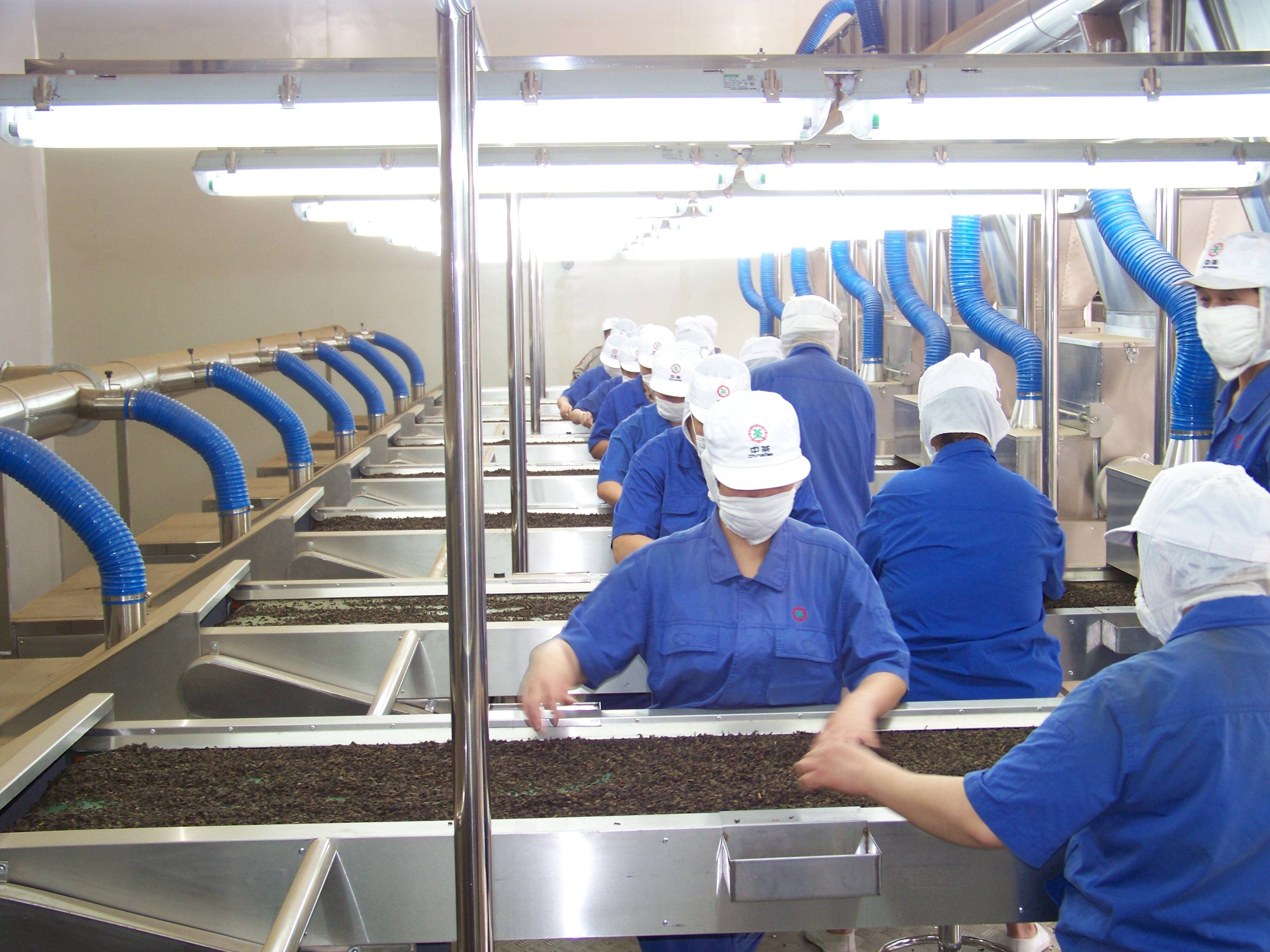
The low carbon green tea factory employs sophisticated intelligent automation systems that optimize every aspect of tea processing while maintaining precise quality control standards that ensure consistent premium product output. Artificial intelligence algorithms analyze thousands of variables including leaf moisture content, ambient temperature, processing duration, and equipment performance parameters to make real-time adjustments that maximize quality while minimizing energy consumption. Machine learning capabilities enable the system to continuously improve processing protocols based on historical data, seasonal variations, and product quality outcomes, creating increasingly efficient operations over time. Advanced sensor networks monitor critical quality indicators throughout processing stages, including leaf color changes during withering, moisture levels during drying, and particle size distribution during cutting and sorting operations. These sensors provide instant feedback to automated control systems that can adjust processing parameters within seconds to maintain optimal conditions for premium green tea production. Computer vision systems examine individual tea leaves and particles, automatically sorting products by size, color, and quality grades with accuracy levels exceeding human capabilities while operating continuously without fatigue or variation in performance standards. The intelligent automation extends to packaging operations where robotic systems handle delicate tea products with precise force control that prevents damage while maintaining hygienic handling standards required for food safety compliance. Integration with inventory management systems ensures optimal production scheduling that minimizes waste from overproduction while maintaining adequate stock levels to meet customer demand fluctuations. Predictive maintenance algorithms monitor equipment condition through vibration analysis, temperature monitoring, and performance trending to schedule maintenance activities before failures occur, reducing downtime and extending machinery lifespan. Quality assurance databases track every batch through complete traceability systems that record processing conditions, quality test results, and distribution information, enabling rapid response to customer inquiries and regulatory requirements. The automation systems generate comprehensive reports that demonstrate processing consistency, quality achievements, and environmental performance metrics that support premium product positioning and sustainability marketing initiatives that differentiate the low carbon green tea factory from conventional competitors in increasingly competitive global tea markets.


 EN
EN
 AR
AR NL
NL FR
FR IT
IT JA
JA KO
KO PT
PT RU
RU ID
ID MS
MS